System sizer
Size solar, battery, and inverter from your electric bill
A planning estimate for an off-grid system. Start with the energy you already use, then see whether that array fits the roof.
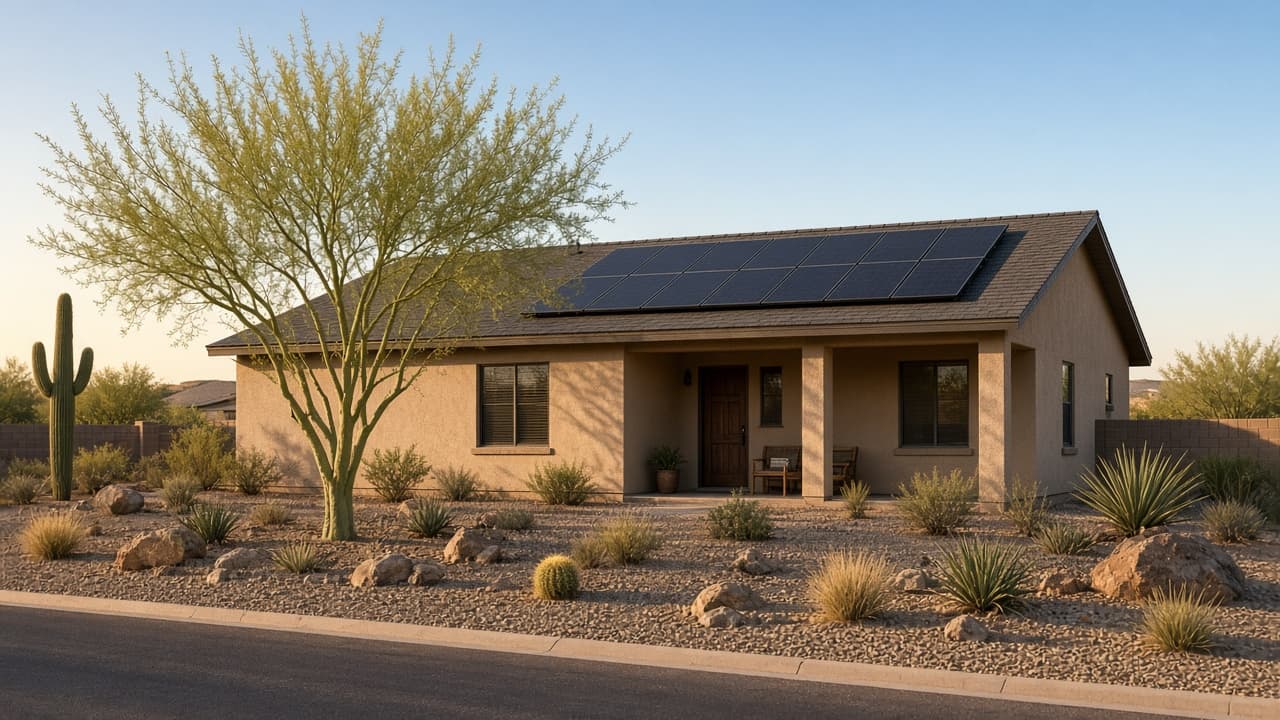
How the estimate is built
Three checks, in order. Each one stays on this page, and you can change the assumptions before you ask for a site visit.
01
Read the bill
Upload a PDF or a photo, or type the kWh yourself. When the bill prints a service address, that address starts the roof check. The file is discarded. Nothing from the bill is saved.
02
Size the system
Daily use is the bill total divided by the number of days. The oversize slider adds capacity for hotter months, cloudy stretches, and loads you expect to add.
03
Check the roof
The address finds the building outline and splits it into a roof face for each side. The bill's panels go on the sunniest faces. County parcel facts and City of Phoenix permits are compared with the outline.
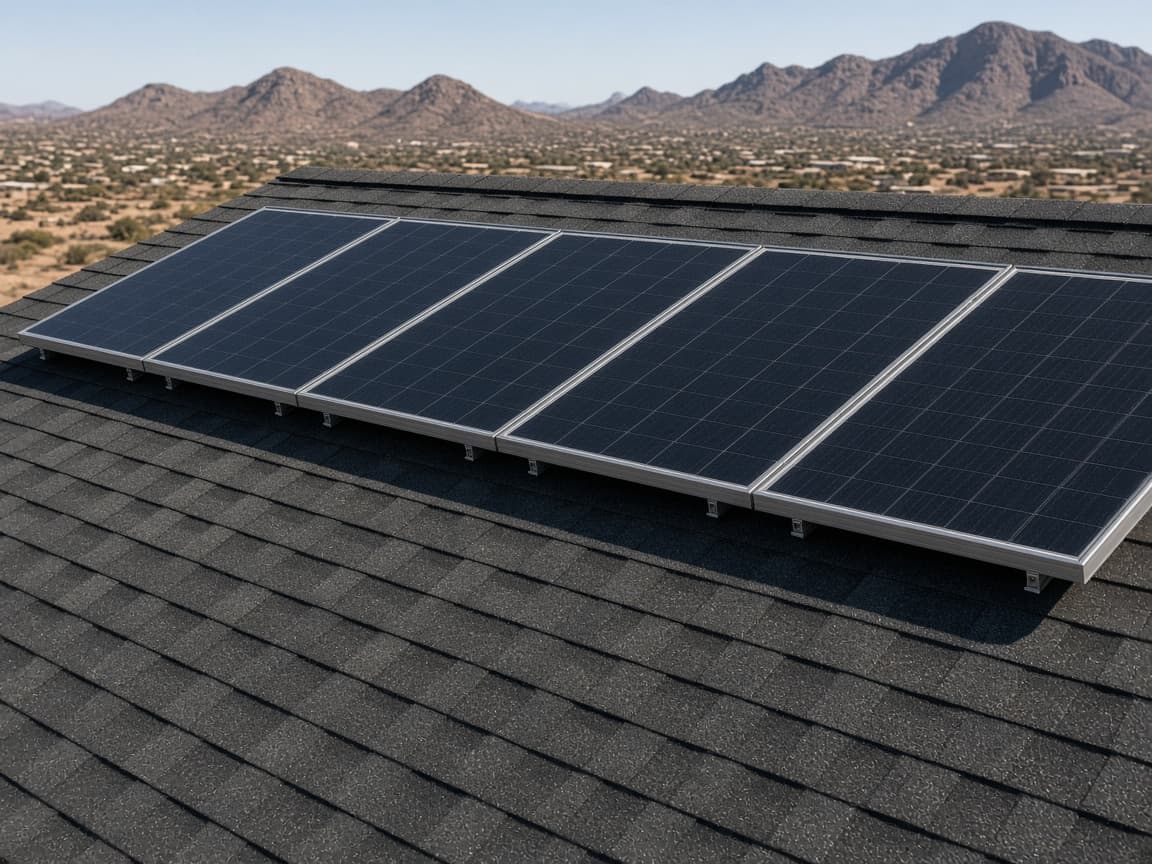
The roof number is a fit, not a permit
The mapped outline is split into a face for each side. Panels for the bill go on the sunniest faces first, and each face is scored against a south roof. You can show every panel that fits, force one facing, slide the array, or replace the outline with a rectangle you size yourself.
A Maricopa County address is matched to the parcel at the official address point. In Phoenix, current permits and plan reviews are listed when the city has published them. A reroof permit that names the covering, such as asphalt shingle, is shown beside the fit. Pitch, hips, and the drawing set are not in that feed, so the count stays on the outline.
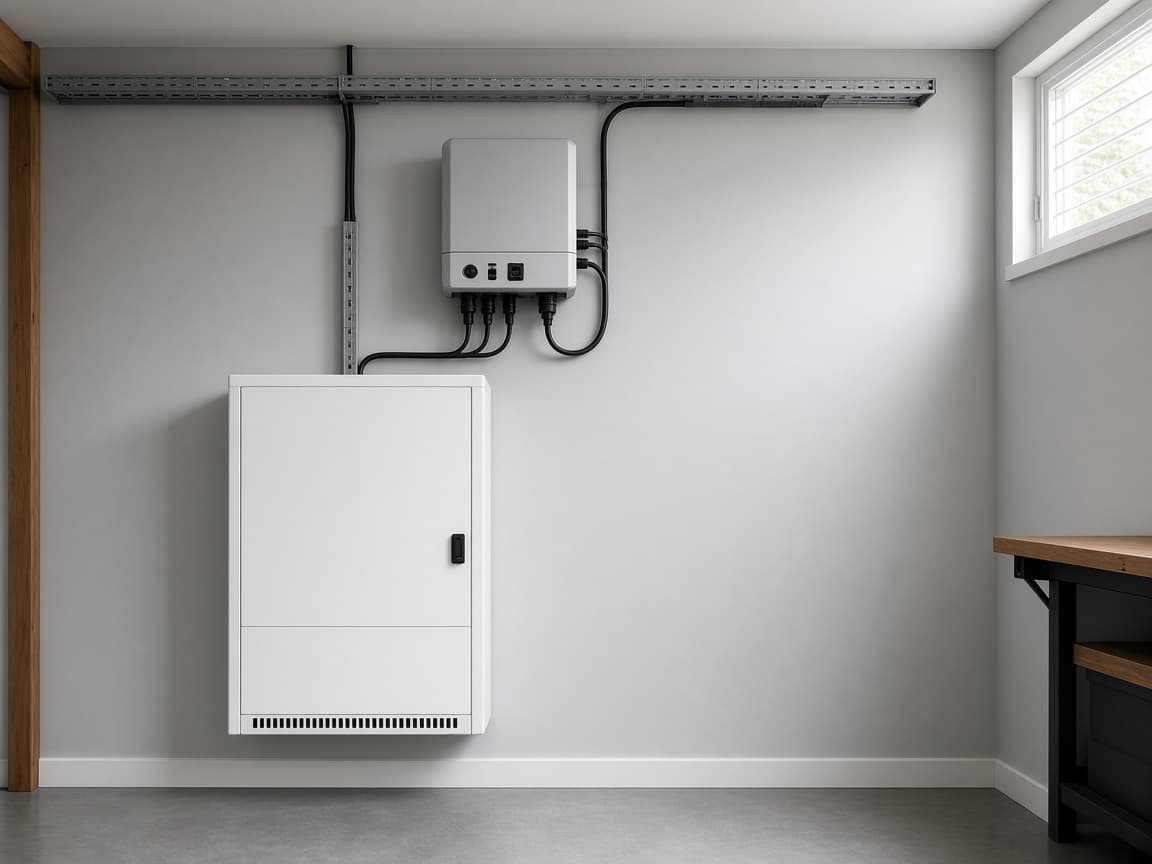
Battery and inverter follow the bill
Full 24 hours stores the oversized daily use for the days of backup you choose. Overnight is the smaller battery for the hours after the sun is down. The inverter is sized for the highest demand on the bill, with the same oversize percentage applied.
The roof can hold more or fewer panels than the bill calls for. When it is short, the page says so. A ground mount, a second roof, or a smaller backup load are the usual ways to close that gap, and those are decided on a site visit.
Run it for your property
Enter the bill first if you want the roof count compared with the recommended array. The address lookup works on its own.
Usage from the bill
20%
Adds extra solar, battery, and inverter capacity above the bill. 20% is a typical cushion for hotter months, cloudy stretches, and future loads.
Sun, storage, and panel assumptions
5.5 sun hours is a conservative Arizona default (Phoenix is closer to 6.5). Full 24 hours stores the oversized daily use for the days you set. Overnight stores 14 hours of that same day, from dusk to dawn, and does not grow with extra backup days. Production assumes an 80% system derate, and the battery uses 80% of its nameplate.
What this does not replace
Sun and losses
The default is 5.5 peak sun hours, a conservative Arizona figure, and an 80% production factor for heat, dust, wiring, and the inverter. Phoenix is often closer to 6.5 hours. Change the assumptions if you know the site.
Storage and inverter
Full 24 hours covers the oversized daily use for the days of backup you set. Overnight is a smaller battery for about 14 hours from dusk to dawn, assuming solar covers the daytime. Both count 80% of a lithium battery as usable. The inverter follows the bill’s peak kilowatts when that number is printed, otherwise an estimate. The result lists current EG4 hybrid and off-grid inverters, with a wall-mount or server-rack battery option for those sizes. Panel cost uses the lowest new SanTan Solar price per watt when the bill is checked. Used panels are left out.
Roof and records
The outline is split into one roof face per side, the way a hip roof would sit on that shape. Sunny faces are used first, and a face turned away from south produces less. When a bill is checked, each panel is drawn at the length and width SanTan lists for the new module with the lowest price per watt. Pitch, trees, and shade are not measured, so the real roof can differ. Public records can show year built, living area, lot size, and recent Phoenix roof permits. They do not include roof pitch or the as-built drawings.
Ready to go off-grid?
We work across Arizona. Tell us whether you want new solar, backup without solar, or a battery on an array you already have.
Get Started Today